

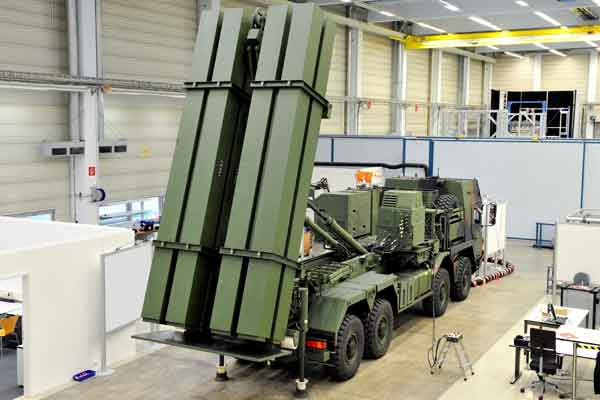
Introduction
System integration in aerospace and defence manufacturing is one of the most critical disciplines in modern aerospace engineering. It is the process of combining mechanical, electrical, electronic, and software subsystems into a fully functional, mission-ready platform such as an aircraft, UAV, missile system, naval platform, or space system.
Unlike traditional manufacturing, aerospace system integration is not just about assembling parts—it is about ensuring complete functional harmony between complex subsystems operating under extreme conditions.
A modern fighter aircraft, for example, contains thousands of components sourced from multiple suppliers. System integration ensures that all these components function as a single, reliable, and high-performance system.
As global aerospace programs become more modular and software-driven, integration has become the core differentiator between successful and failed defence programs.
This makes system integration in aerospace and defence manufacturing a critical capability for modern aerospace OEMs.
What is System Integration in Aerospace & Defence?
System integration refers to the structured engineering process of:
- Combining multiple subsystems into one platform
- Ensuring mechanical, electrical, and software compatibility
- Validating system performance under real-world operating conditions
- Ensuring compliance with aerospace safety and quality standards
- Managing interfaces between multi-vendor components
In aerospace systems, integration is not a final step—it is an ongoing engineering process across design, manufacturing, testing, and certification.
Key Domains of System Integration
1. Mechanical System Integration
Mechanical integration forms the physical backbone of aerospace systems.
It includes:
- Airframe assembly
- Structural load integration
- Landing gear mounting
- Engine interface structures
- Vibration and thermal management
Precision is critical, often requiring tolerances within microns to ensure structural integrity and aerodynamic performance.
2. Electrical & Avionics Integration
Electrical systems form the nervous system of aerospace platforms.
Key elements include:
- Flight control systems
- Navigation systems (INS/GPS)
- Radar and sensor systems
- Power distribution networks
- Cockpit instrumentation
Even a minor integration mismatch can affect flight safety, making this one of the most critical areas.
3. Electronics & Embedded Systems Integration
Modern aerospace platforms rely heavily on advanced electronics.
This includes:
- Mission computers
- Signal processing units
- Communication systems
- Sensor fusion modules
- Real-time embedded controllers
These systems must operate in harsh environments with high electromagnetic interference and extreme temperatures.
4. Software System Integration
Software is now the intelligence layer of aerospace systems.
It includes:
- Flight control software
- Avionics software systems
- Mission planning systems
- Data acquisition and analytics
- AI-based decision support systems
Integration ensures seamless communication between software and hardware layers.
5. Electro-Mechanical Integration
This hybrid domain includes:
- Actuation systems
- Control surfaces
- Motorized assemblies
- Precision motion systems
Electro-mechanical integration is essential in UAVs, missiles, and advanced aircraft systems.
Why System Integration is Critical
System integration determines the success of aerospace programs because it ensures:
- End-to-end system reliability
- Safety under extreme operating conditions
- Reduced failure rates at system level
- Faster certification and qualification cycles
- Lower lifecycle costs
- Improved mission readiness
Even if individual components are high-quality, poor integration can lead to system failure.
System Integration Lifecycle in Aerospace Programs
1. Requirements Definition
- System-level requirements are defined
- Interface specifications are created
- Performance parameters are finalized
2. Design Integration
- Mechanical, electrical, and software designs are aligned
- Interface control documents (ICDs) are developed
- Digital modeling and simulation are performed
3. Prototype Integration
- Subsystems are physically assembled
- Initial functional checks are performed
- Interface mismatches are identified
4. Testing & Validation
- Environmental testing (vibration, thermal, shock)
- Functional system testing
- Electromagnetic compatibility testing
- Flight or field testing
5. Certification & Compliance
- Military standards (MIL-STD) compliance
- Aerospace standards (AS9100) adherence
- Airworthiness certification
6. Production Integration
- Scaling integration from prototype to production
- Quality control systems implementation
- Supply chain synchronization
Key Challenges in Aerospace System Integration
1. High Interface Complexity
Modern aerospace systems can have thousands of interdependent interfaces.
2. Multi-Vendor Ecosystems
Components are sourced globally, making coordination complex.
3. Tight Tolerances
Micron-level precision is often required in mechanical assemblies.
4. Certification Requirements
Compliance with strict aerospace and defence standards adds complexity.
5. Rapid Technology Evolution
New electronics and software systems require continuous integration updates.
Industry Trends Transforming System Integration
1. Modular Architectures
Systems are being designed in plug-and-play modules to simplify integration.
2. Model-Based Systems Engineering (MBSE)
Digital models are replacing traditional document-based design processes.
3. Digital Twin Technology
Virtual replicas of systems are used for simulation and validation.
4. Increased Outsourcing to Tier-2 Suppliers
OEMs are delegating sub-system integration to specialized suppliers.
5. Shift Toward Turnkey Systems
Suppliers are expected to deliver complete integrated systems, not just parts.
One of the biggest challenges in system integration in aerospace and defence manufacturing is managing multi-vendor subsystem interfaces.
Strategic Importance for India
India’s aerospace ecosystem is rapidly evolving due to:
- Growth in domestic defence production
- Global supply chain diversification
- Policy support through Make in India
- Increasing exports of aerospace components
This is creating significant opportunities for companies involved in integration, manufacturing, and subsystem delivery.
Opportunities for Manufacturing and Integration Partners
The biggest growth opportunities are in Tier-2 and Tier-3 ecosystems supporting:
- CNC machined aerospace components
- Sheet metal structures and assemblies
- Cable and wire harness systems
- PCB assemblies and electronic modules
- Electro-mechanical subassemblies
Companies that combine manufacturing capability with integration expertise are becoming critical to global OEM supply chains.
Role of Questaero Systems in System Integration
At Questaero Systems Pvt Ltd, we focus on bridging the gap between component manufacturing and system-level integration.
Our capabilities include:
- Precision CNC machining (3, 4, 5-axis)
- Sheet metal fabrication and structural assemblies
- Cable & wire harness integration
- PCB assembly and electronic box-build systems
- Electro-mechanical integration
- End-to-end aerospace program execution
We support OEMs and Tier-1 suppliers by delivering reliable, scalable, and high-precision integrated manufacturing solutions aligned with aerospace standards.
Future of System Integration in Aerospace & Defence
The future of system integration will be driven by:
- Autonomous systems and AI-driven platforms
- Fully digital engineering workflows
- Increased modularization of aerospace platforms
- Faster prototyping and production cycles
- Greater reliance on integrated supplier ecosystems
Integration will shift from a physical assembly process to a digital-first engineering discipline.
Conclusion
System integration in aerospace and defence manufacturing is the backbone of modern aerospace engineering. It ensures that complex mechanical, electronic, and software systems function together as a unified, reliable platform.
As aerospace systems become more advanced and interconnected, the importance of skilled integration partners will continue to grow. Companies that can combine precision manufacturing with system-level engineering capability will define the future of the aerospace industry.
As aerospace programs evolve, system integration in aerospace and defence manufacturing will become even more software-driven and digital-first.
Reference:
1. Aerospace authority reference:
Indian aerospace ecosystem overview
https://www.isro.gov.in/
2. Defence manufacturing policy:
Make in India initiative
https://www.makeinindia.com/sector/defence-manufacturing
3. Industry standards reference:
AS9100 aerospace quality standard
https://www.sae.org/standards/content/as9100/
Contact us:
Questaero Systems Private Limited
 Registered Office:
- Unit 101, Oxford towers,
- 139, HAL Old Airport Road,
- Kodihalli, Bengaluru,
- Karnataka, India 560008
- Web: https://www.questaero.co.in/
- sales@questaero.co.in
- +91 9606869650
 Registered Office:

